Creative Strategist · Brand Builder · Bilingual
Trained as a biologist, she reads problems the way living systems behave — connected, layered, full of ripple effects. Pattern recognition isn't a skill she learned; it's the lens she looks through.
Six brands built from the ground up. A café concept taken from one location to four and sold profitably. She comes in when something needs figuring out — and leaves it solved.
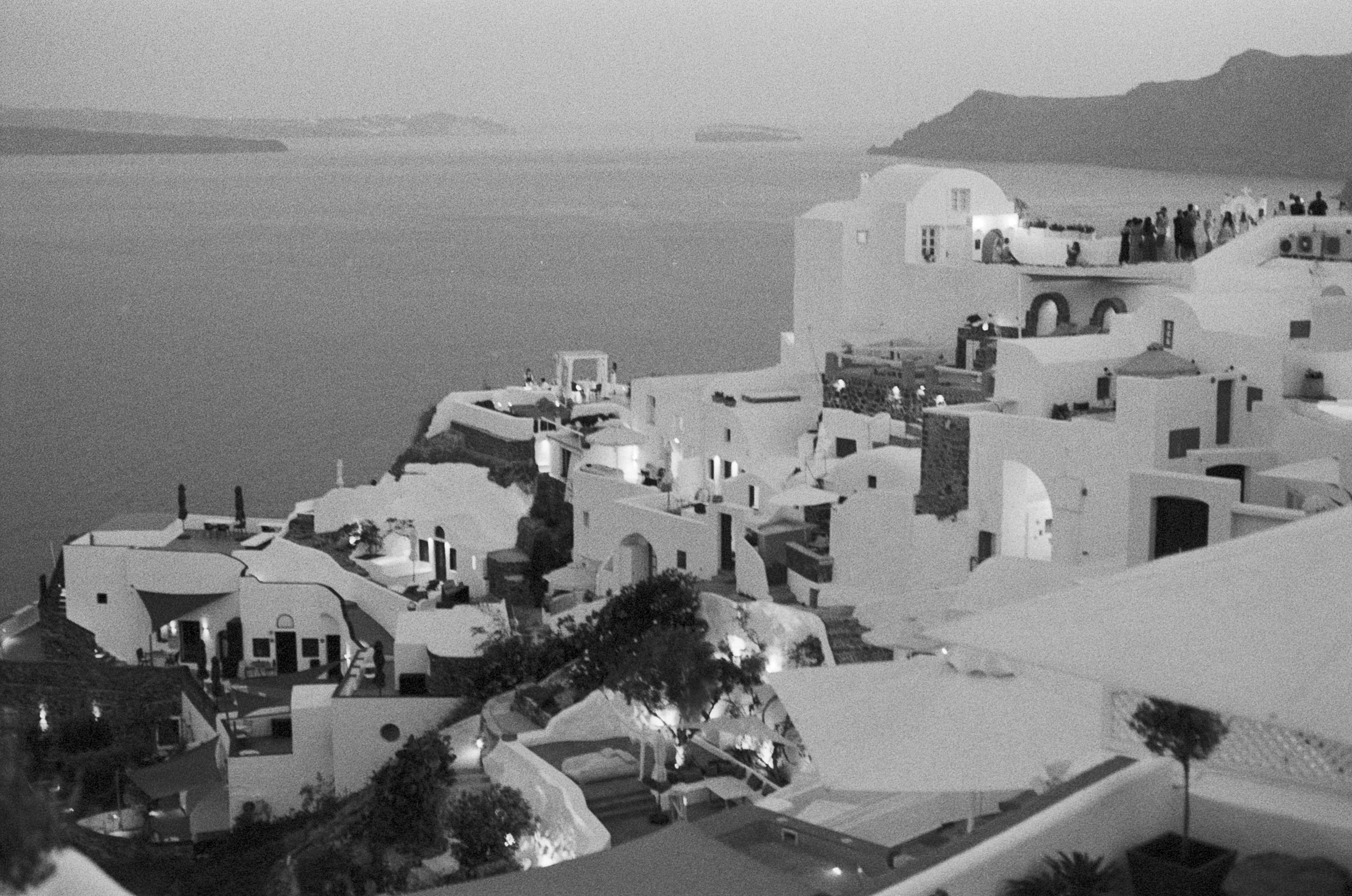
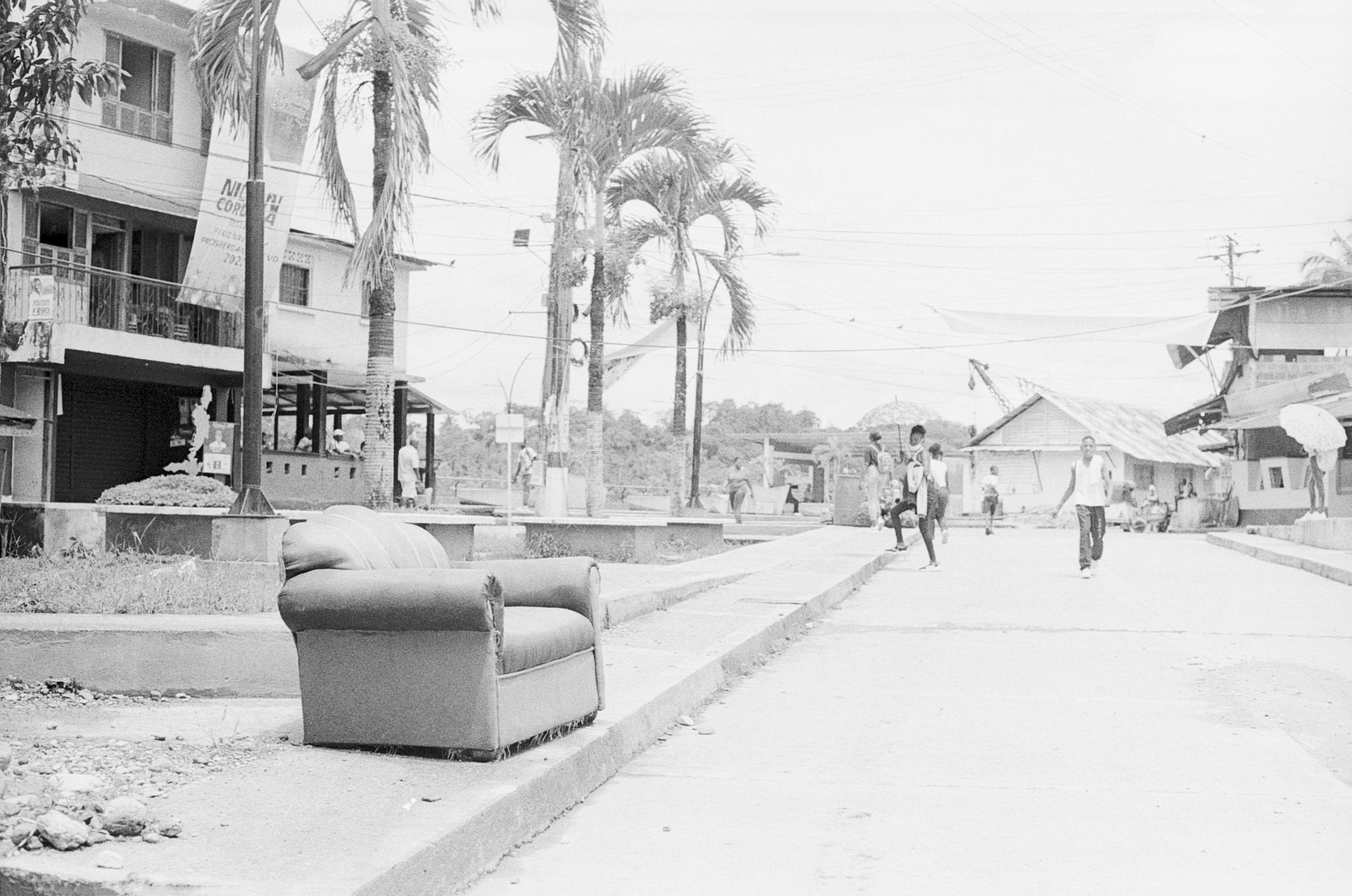
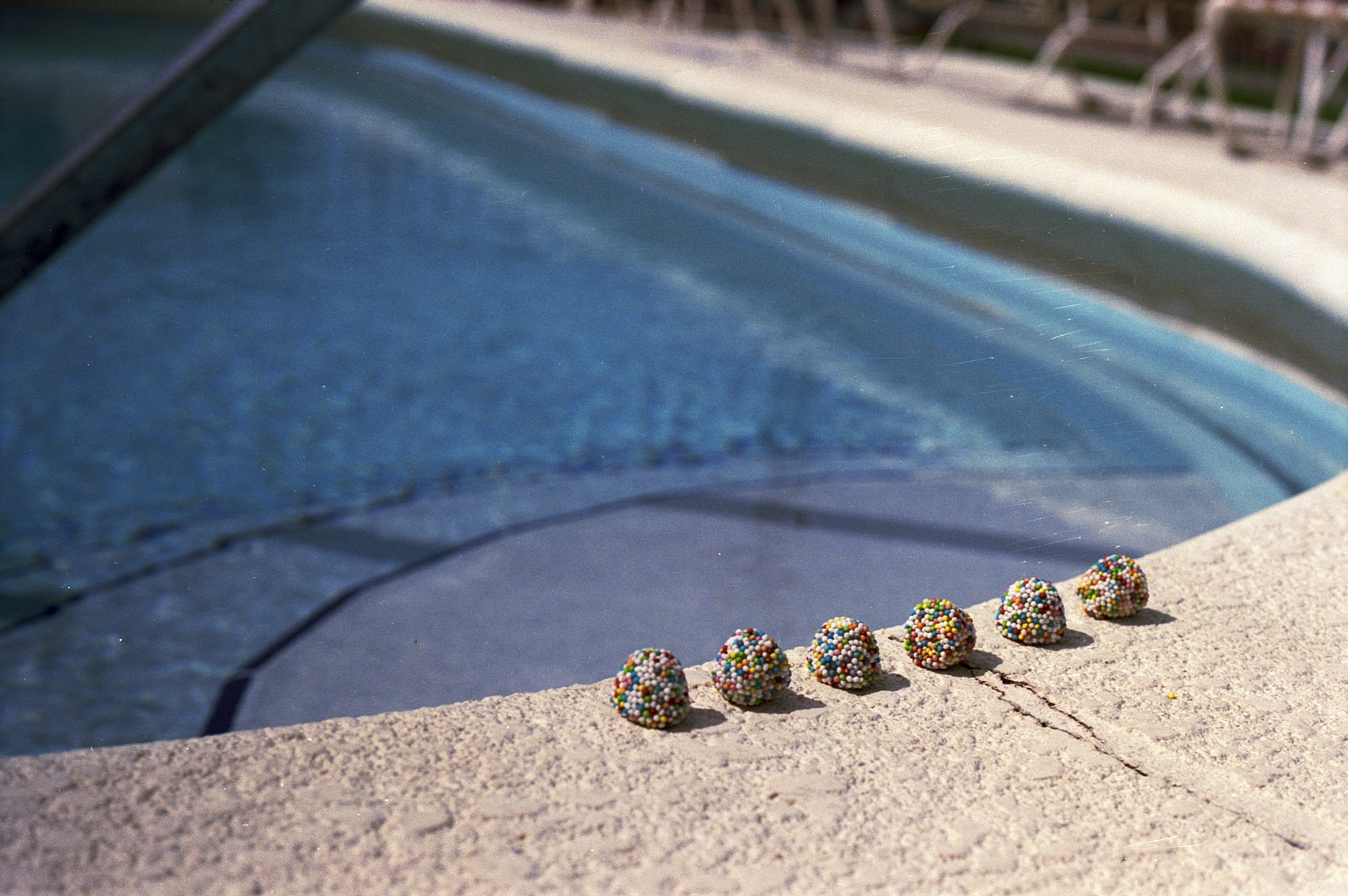
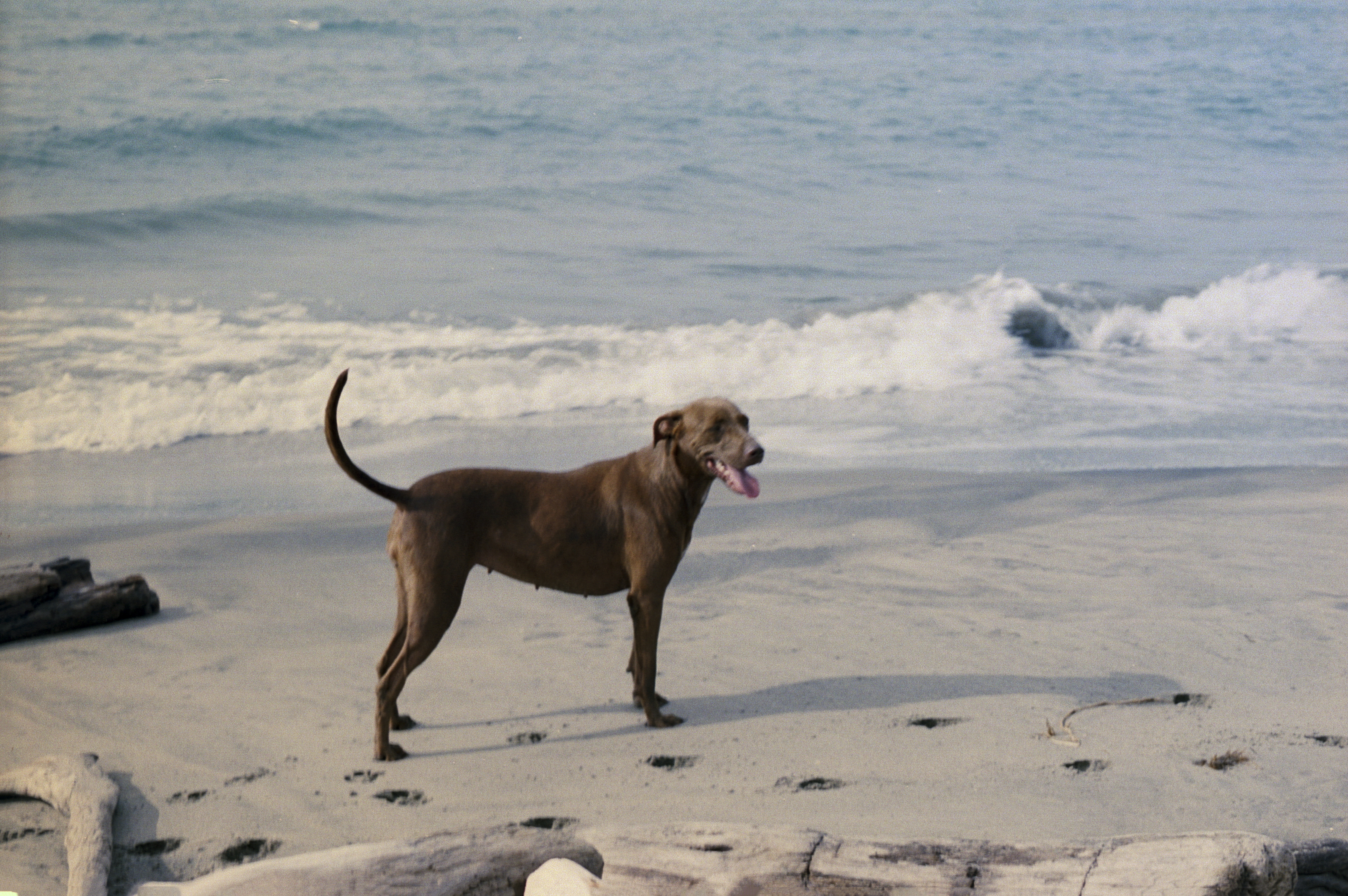
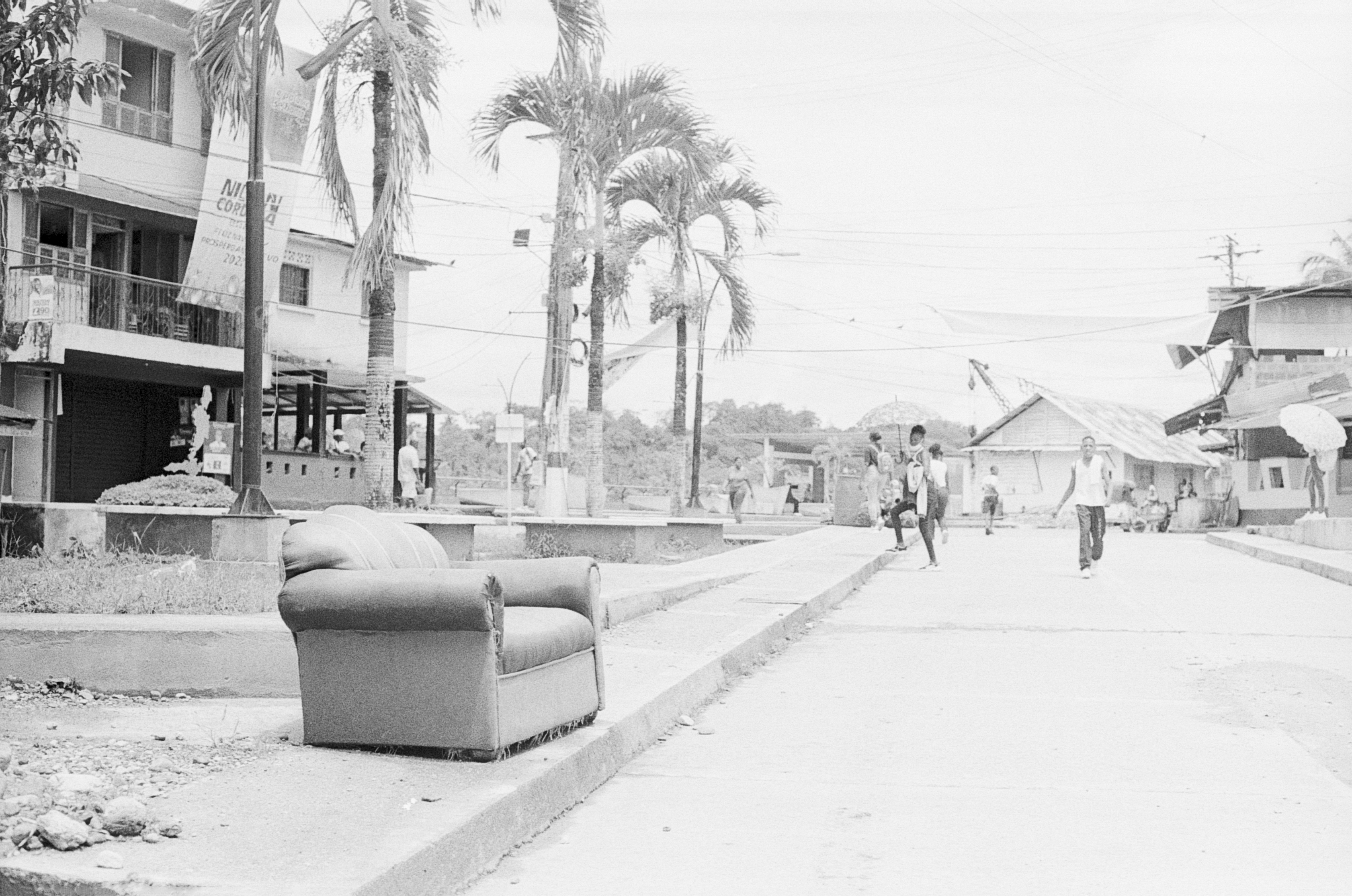
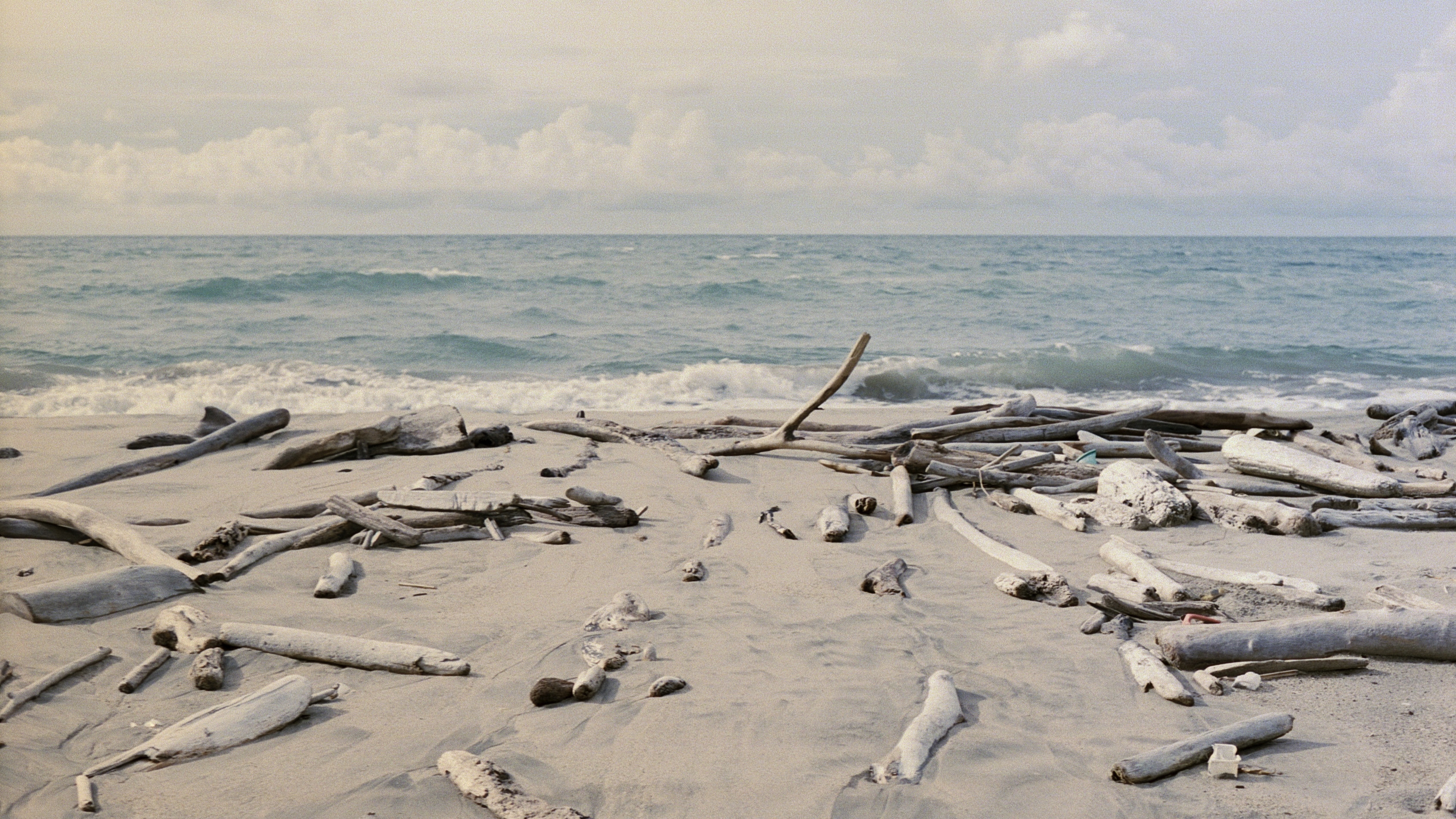
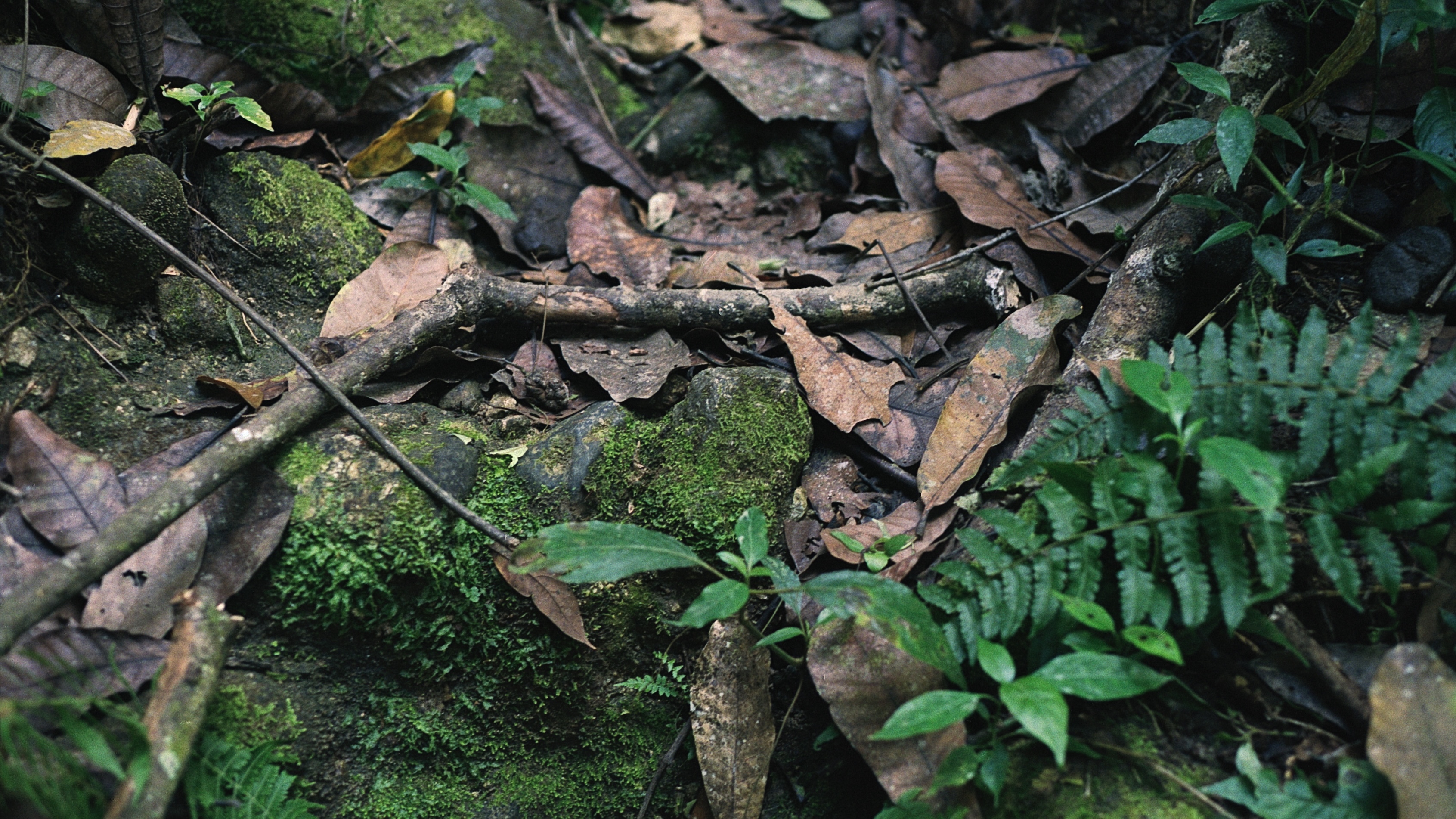
Acutely sensitive to sound and image — an instinct for what works and why in design, communication, and culture, before the explanation catches up. The same eye that photographs on film.
Three projects from fifteen years across brands, markets, and disciplines.
Seashell started from a specific frustration: the Caribbean coast of Colombia has one of the richest cultural identities in the Americas, and almost none of it was being represented accurately in the brands coming out of the region. Most defaulted to a generic tropical shorthand — the same colors, the same references, the same surface-level gestures toward place.
The brand was built from the inside out. The visual language draws from the actual history of the coast — its indigenous heritage, its African roots, the particular aesthetic sensibility that emerged from centuries of cultural collision. Every graphic decision was made with that specificity in mind. The result is a brand that people from the region recognize as true, and people outside it find genuinely surprising.
Beyond identity, the full operational structure was built from scratch — online store, product hierarchy, supplier workflows, production coordination, and inventory management. The foundation was designed to scale without losing the precision that makes the brand worth anything in the first place.
View on Instagram ↗
The Fit Bar Café began as an idea about how a health-focused food concept could look and feel in a Colombian context — not imported from a North American wellness aesthetic, but grounded in local ingredients, local sensibility, and a genuine point of view on how people want to eat and spend time.
The brand was built from naming through to every customer touchpoint — visual identity, spatial experience, menu language, digital presence. The consistency of that identity across all four locations over four years was not accidental. It required building internal documentation, standardized workflows, and communication systems that could travel with the brand as it grew without losing what made it recognizable.
The company was sold profitably in 2024. The exit was supported by a complete operational and brand framework that made the business legible and transferable to incoming ownership — proof that the systems were as strong as the identity they carried.
View on Instagram ↗
Brightbox Co. is the independent practice through which most of the strategic and creative work happens. It exists because the problems worth solving rarely fit neatly into a single discipline — they sit at the intersection of brand, strategy, operations, and culture, and they require someone who can move across all of them without losing the thread.
The work has spanned six markets across three continents — Colombia, Panama, the United States, Pakistan, Japan, and Argentina — across industries including media, education, hospitality, and consumer brands. The common denominator is early-stage complexity: founders and organizations at the moment when an idea needs to become a real thing, with real systems, a real identity, and a real reason for people to care.
The approach doesn't change with the context. Observe carefully. Identify what's actually happening underneath what's being described. Build only what's needed. Leave it in a state that doesn't require constant maintenance to hold together.
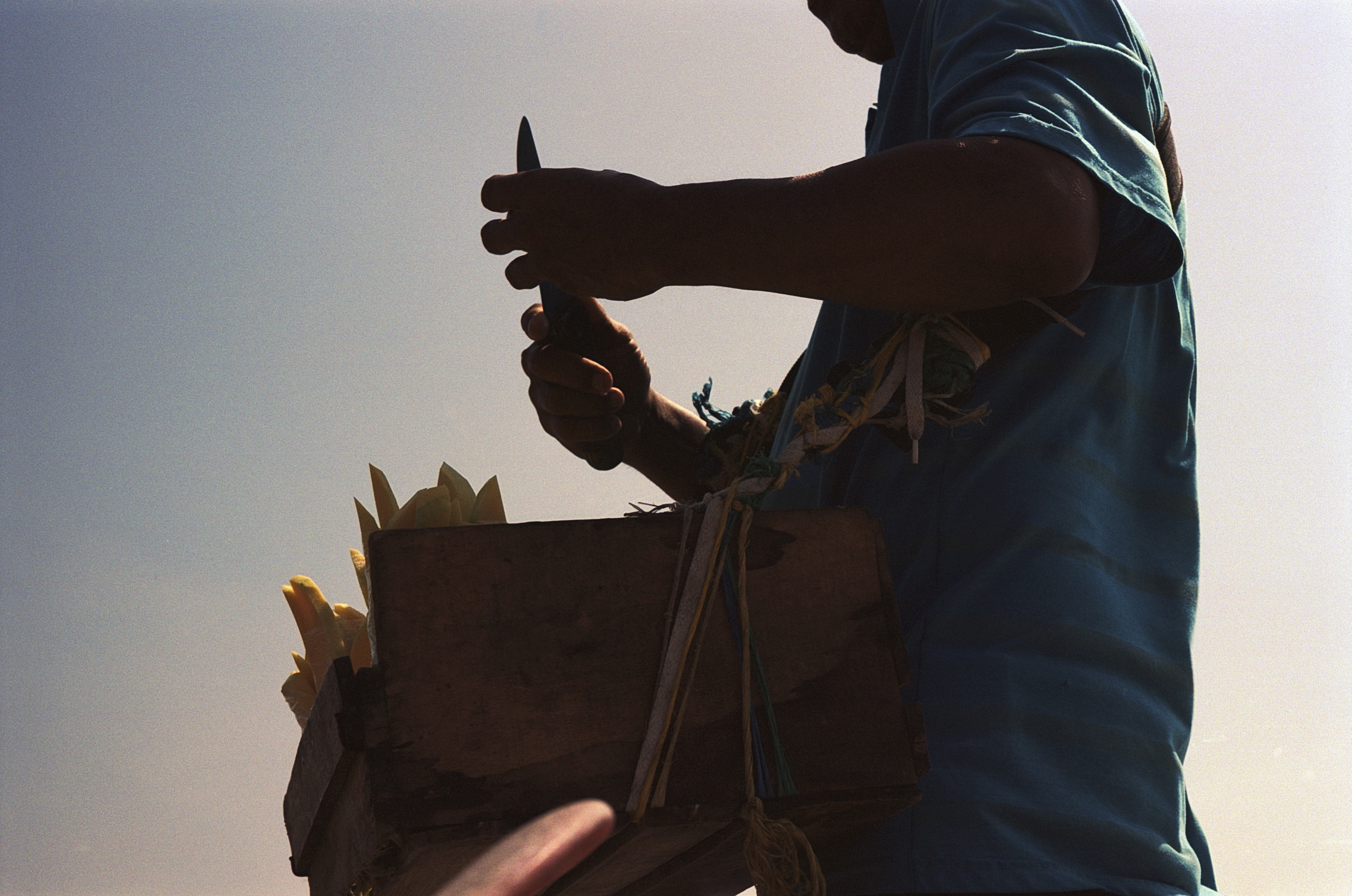
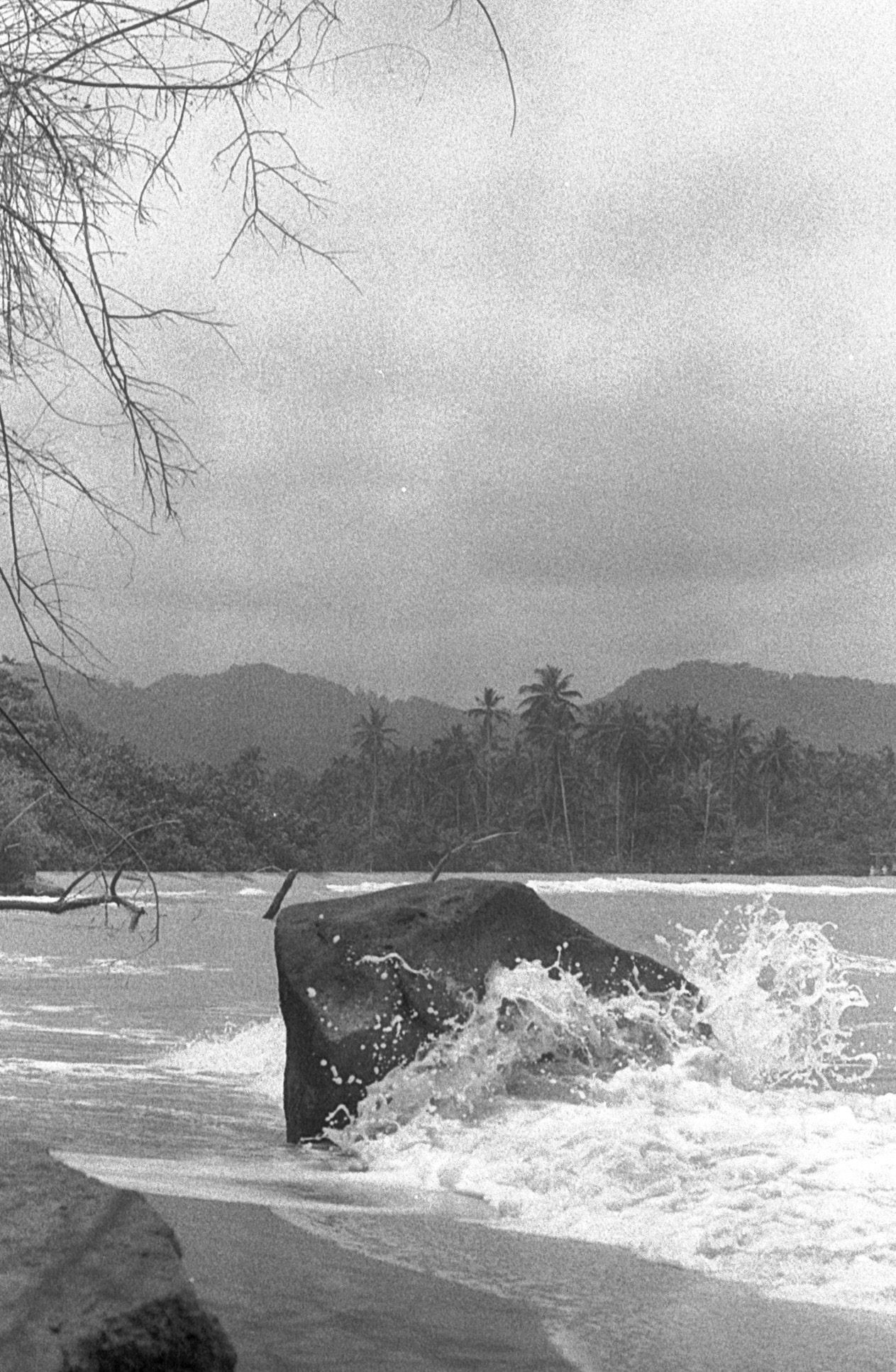
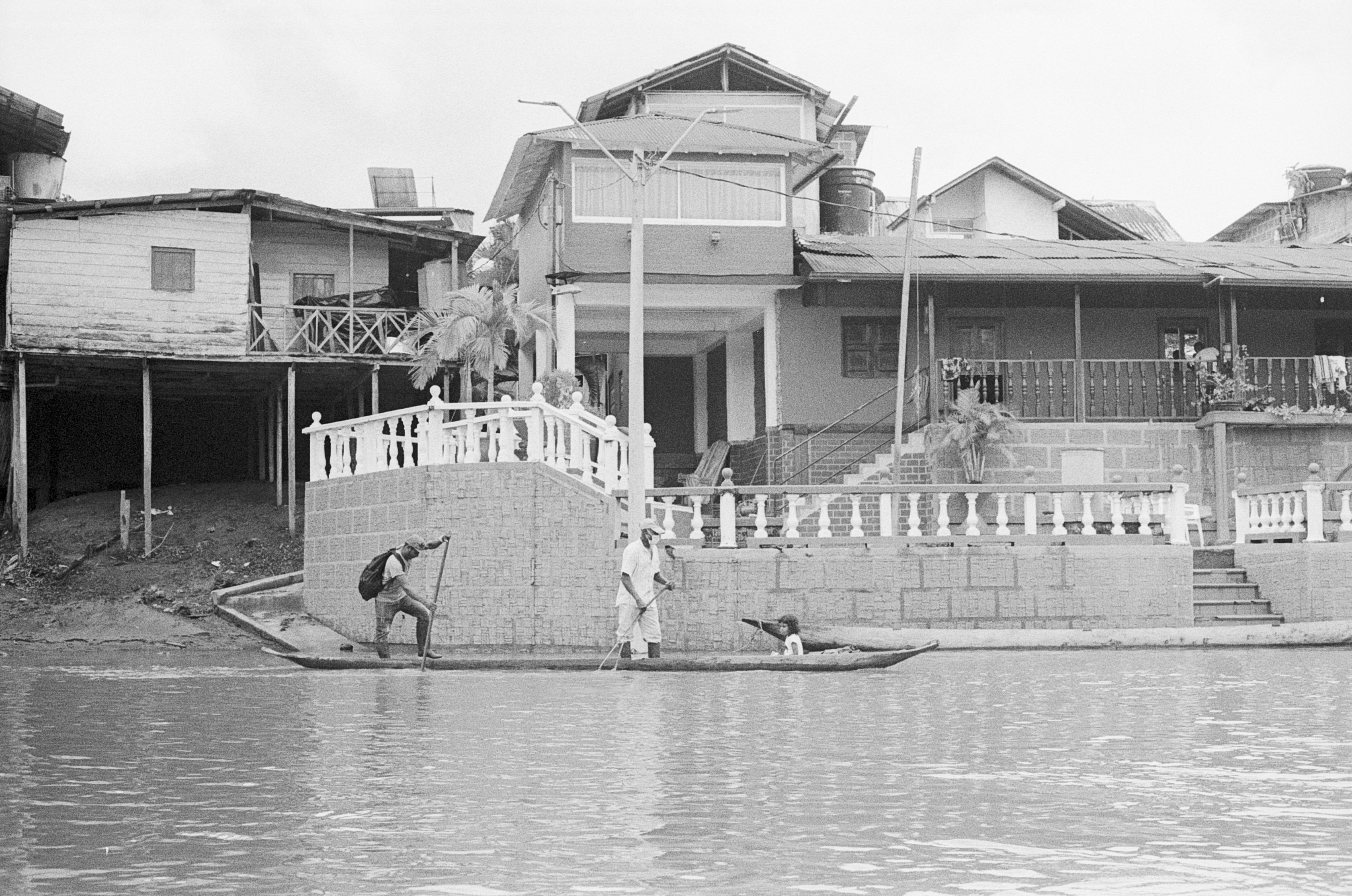
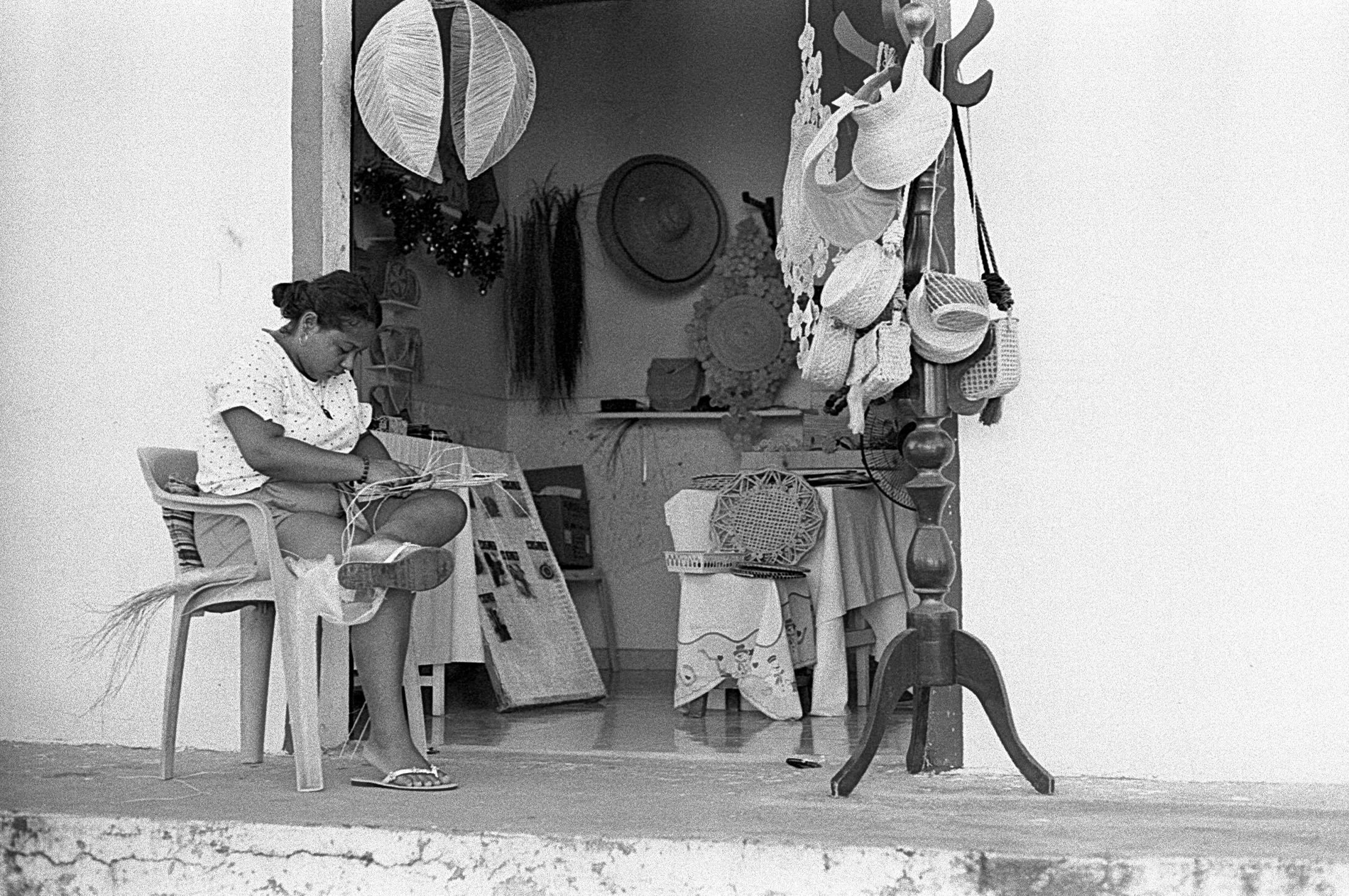
A personal photography practice built on a fixed lens and two film types — a deliberate constraint used to study composition, balance, and structure. The same eye carries directly into brand and creative work.


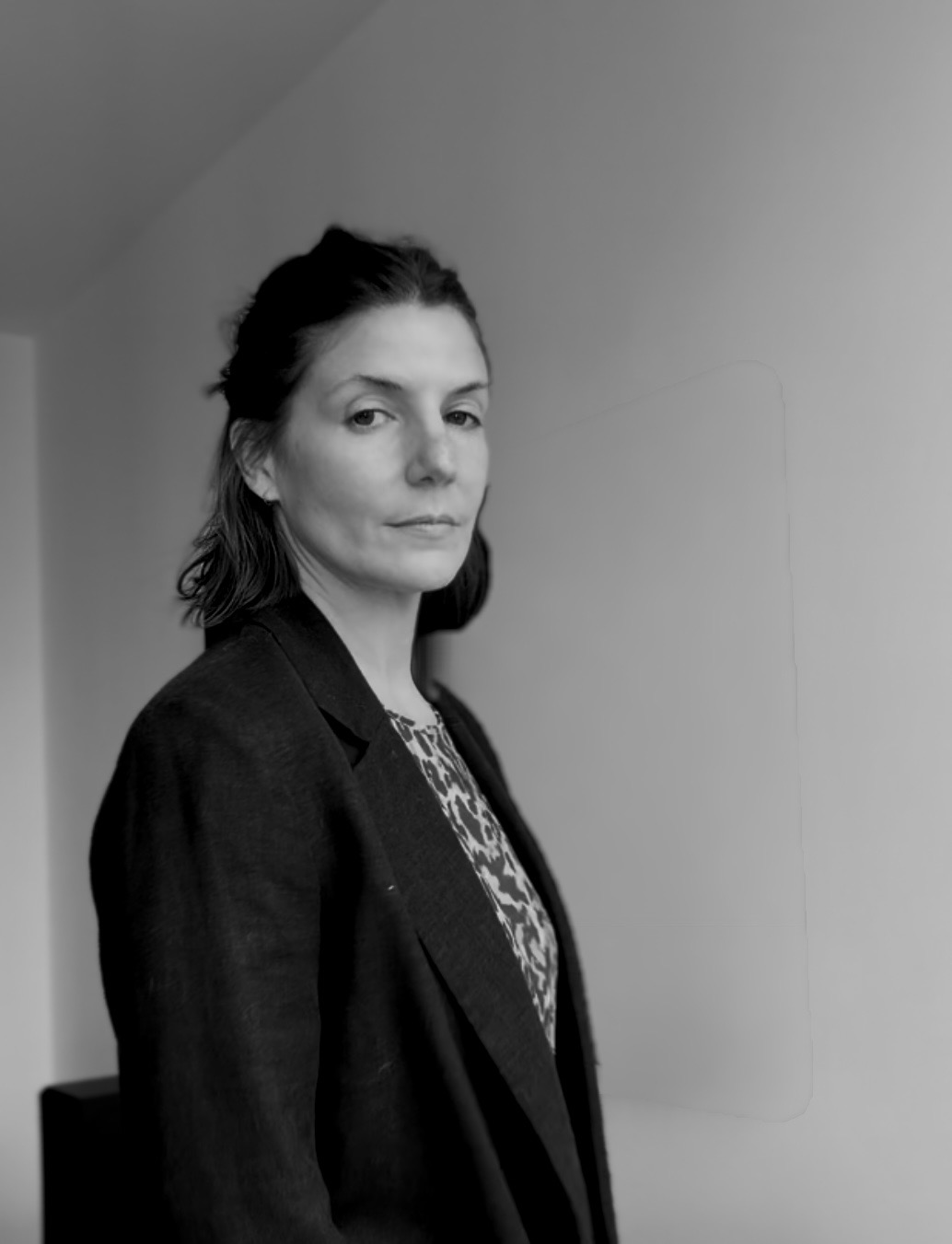
Danielle Turek was born in Miami to a Caribbean family. The coast was always part of her life before she chose to make it her home — not as an aesthetic but as a place with real complexity. Complicated social dynamics, layered histories, cultures shaped by collision, survival, and time. She has spent years learning to read it, and the reading never quite finishes. That sustained attention to how places and people actually work — not how they're supposed to work — is at the core of how she thinks professionally.
She also spent formative years in the United States, in cities where things function and there is genuine room to become whoever you decide to be. That exposure mattered. She understands both worlds from the inside, which means she also understands what gets distorted when people try to bridge them from the outside.
Her work begins where most people stop — at the point where a feeling, a tension, or an unresolved observation needs to be turned into something that exists in the world. A brand, a strategy, a structure, a visual language. The satisfaction isn't in the output itself but in the moment something that was only inside her head becomes an artifact someone else can encounter without needing an explanation.
Analog photography sharpened this. The delay between the moment and the developed image taught her something about the gap between what something looks like in the moment and all the things that it can simultaneously be. She applies that discipline to everything.
She does her best work where she is trusted and given the room to find her method. Not without accountability — trust is earned and she understands that. But in environments that are genuinely open, that allow her process to unfold rather than trying to manage it — that is consistently where her best work surfaces.